
Vision beyond limits.
A new category in microdisplay technology, combining the precision of MEMS, the efficiency of lasers, and the scalability of semiconductors.
Powering XR’s future.
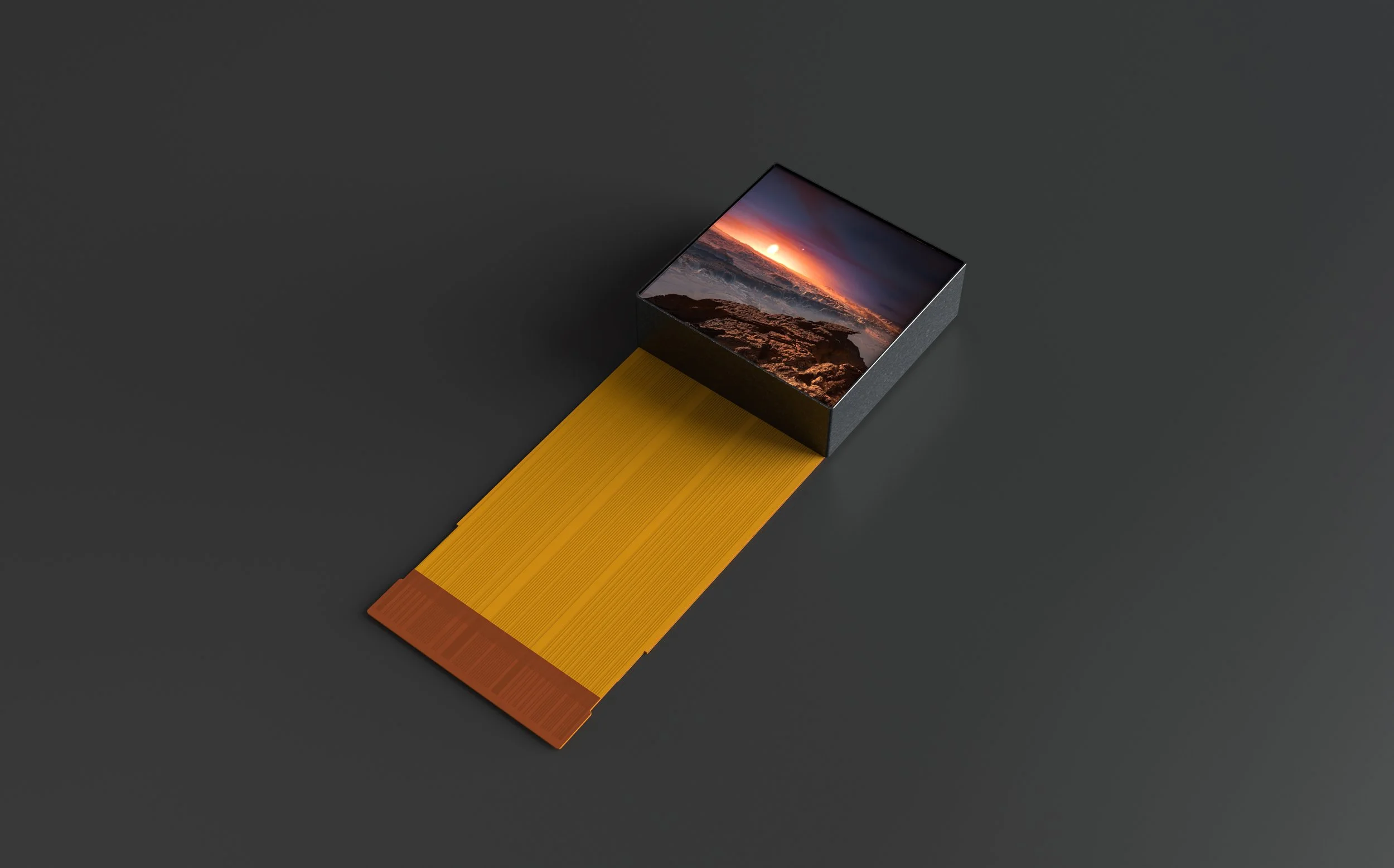
Numunon built the Infinite Light Engine (ILE), the technology that replaces all existing microdisplays (microOLED, LCOS, DLP, and microLED). It is efficient, scalable, and made in the United States.

What’s holding
XR back?
-
Fifteen years of investment proved one thing: the microdisplay is the barrier.
Apple, Meta, Microsoft, and Magic Leap spent more than 150 billion dollars advancing XR optics, compute, and tracking. Each program stalled at the same point: the display stack. The market demand is real. The hardware bottleneck is universal.
-
Every legacy microdisplay trades brightness, efficiency, or scale.
Pushing microOLED toward daylight brightness drives high current density and heat, which accelerates organic aging, so brightness headroom and lifetime fight each other.
LCoS is fundamentally inefficient: it relies on polarizers and beam splitters, which can throw away most of the light.
Micro-DLP is mechanically constrained by micromirror fabrication and routing, so shrinking to the ultra-fine pixel pitches XR is trending toward becomes increasingly difficult.
-
Low yield. Offshore dependence. Difficult path to scale.
Microdisplays aren’t “just chips”, they’re CMOS backplanes plus complex optical stacks. As pixel pitch shrinks, the defect budget collapses, pushing yields down and costs up.
Meanwhile, leading microdisplay manufacturing is concentrated in East Asia, creating cost, risk, and supply constraints that OEMs can’t fully control.
-
Every pixel draws power. Every headset fights its own heat.
microOLED and LCoS run into the same brick wall: brightness turns into heat. If you want more nits, you pump more power through the engine, and in a lightweight headset there’s nowhere for that heat to go. Push it hard enough and you end up throttling, bulky thermal/optical packaging, and shorter runtime. With OLED in particular, high drive and heat speed up aging, so lifetime drops as you chase daylight visibility. The end result is the same: battery compromises, often external packs, and runtimes measured in hours.
Stop emitting.
Start projecting.
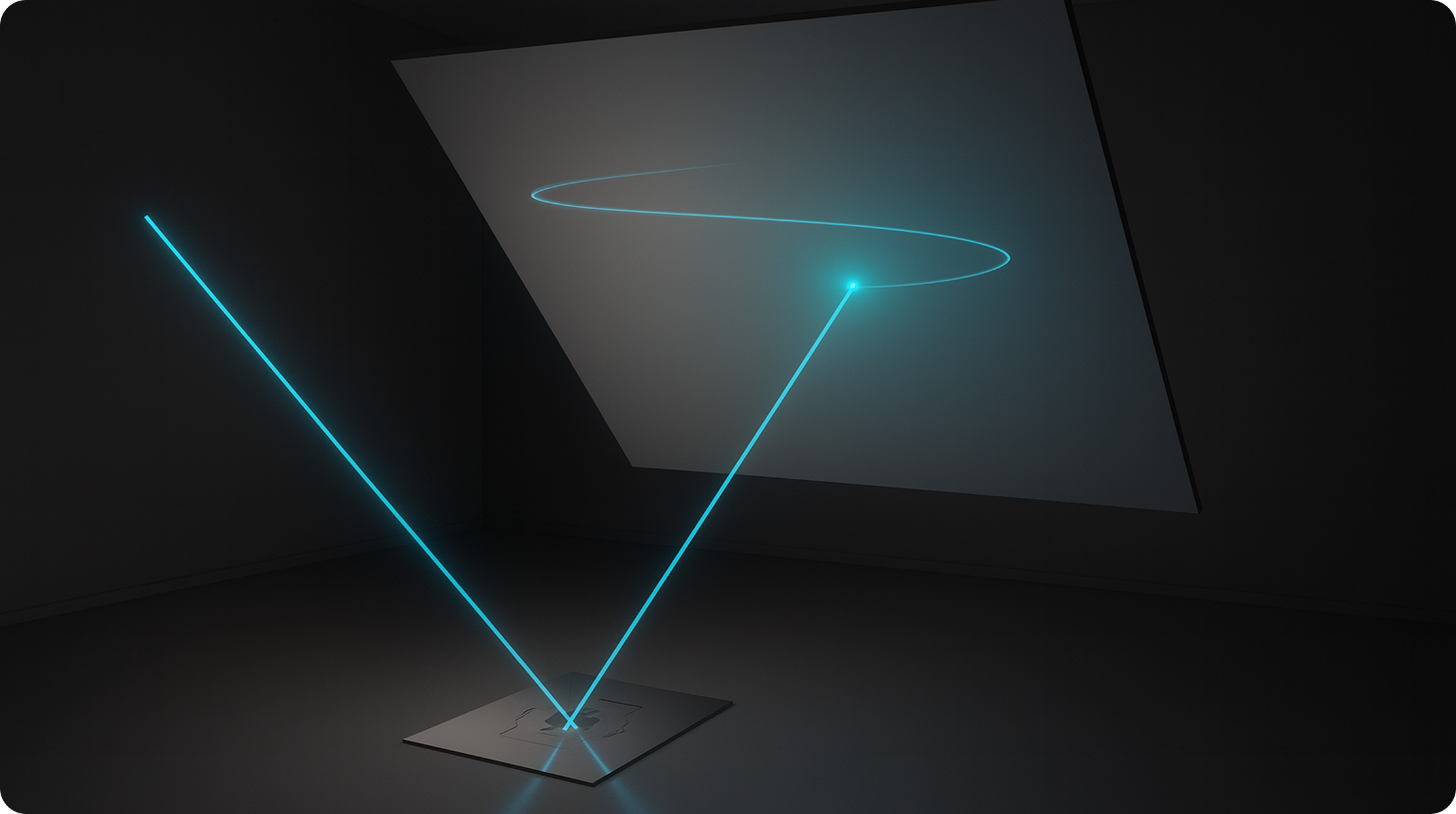
ILE replaces millions of powered pixels with three RGB lasers and a MEMS mirror that projects light directly. Light no longer comes from the pixel, it’s created and shaped in motion. The result is brighter, cooler, sharper, and ready for scale.
Designed to scale
Built on proven MEMS processes with semiconductor-level yield.
Wider color gamut
RGB lasers achieve up to 90% of the CIE 1931 color space
Infinite Scalability
Resolution and brightness scale without heat or yield loss
Daylight visibility
Lasers provide the brightness headroom to stay readable outdoors, even through inefficient optics

Proven engineering. American production.
ILE is built on mature MEMS fabrication used in billions of sensors every year with >90% yield. 100% Made in USA.
We built it to scale from day one.

Built to fit.
Designed to replace.
A new display engine that keeps the same footprint while unlocking greater efficiency, brightness, affordability, and scale.

Familiar Geometry
Fits current module dimensions and alignment tolerances

Optical Compatibility
Designed for compatibility with existing waveguides, lenses, and combiners

Scalable Form Factor
Compact footprint supports multiple display sizes and configurations
Learn more about Numunon and the people behind it.
Join the future of display technology:
Partner with us